

Possibilities Jacket Tan
Possibilities Jacket Tan
Regular price
$398.00
Regular price
Sale price
$398.00
Unit price
per
-
 NEW
NEW -
 NEW
NEW -
 NEW
NEW -
 NEW
NEW -
 NEW
NEW -
 NEW
NEW -
 NEW
NEW -
 NEW
NEW -
 NEW
NEW -
 NEW
NEW -
 NEW
NEW


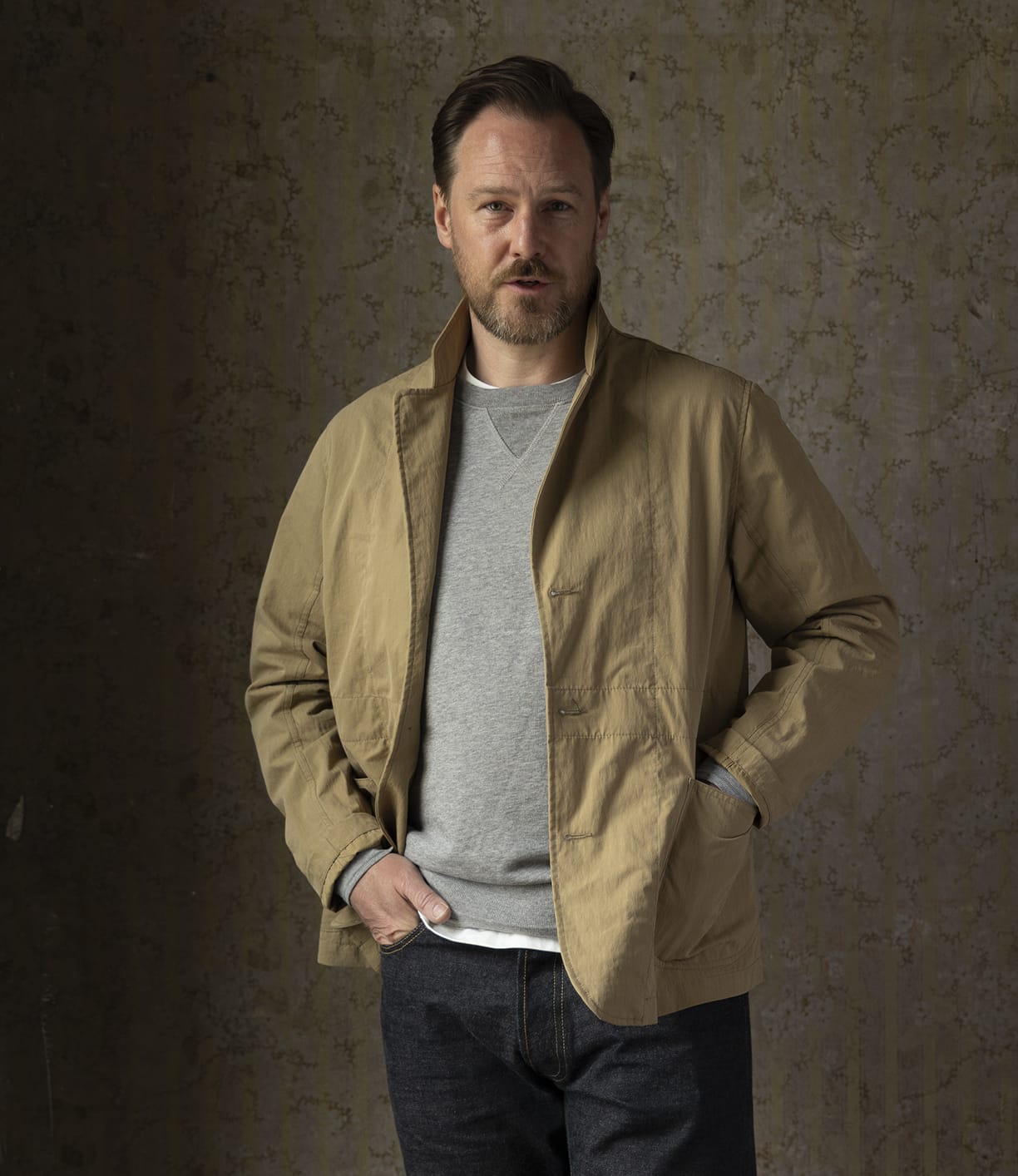
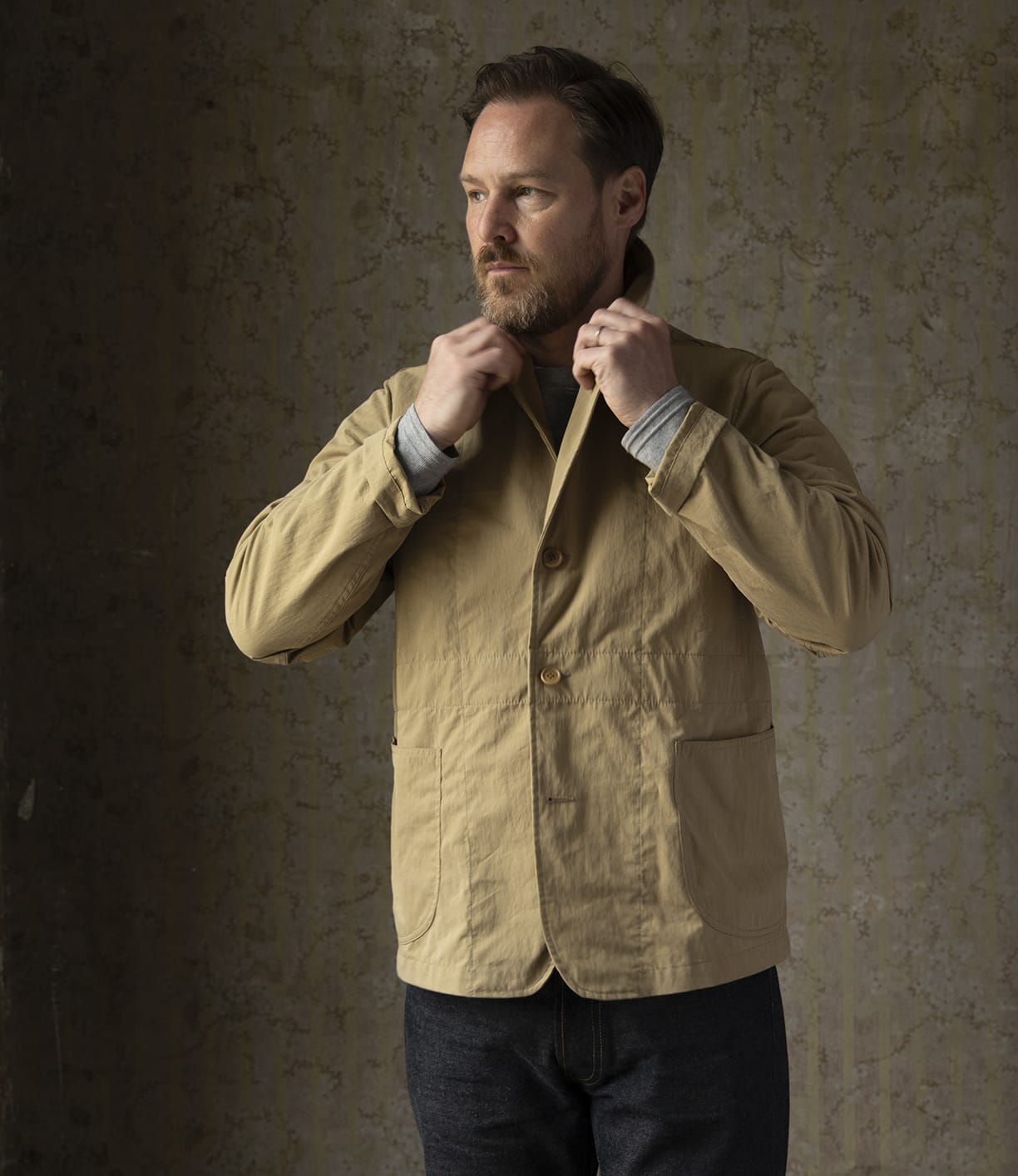
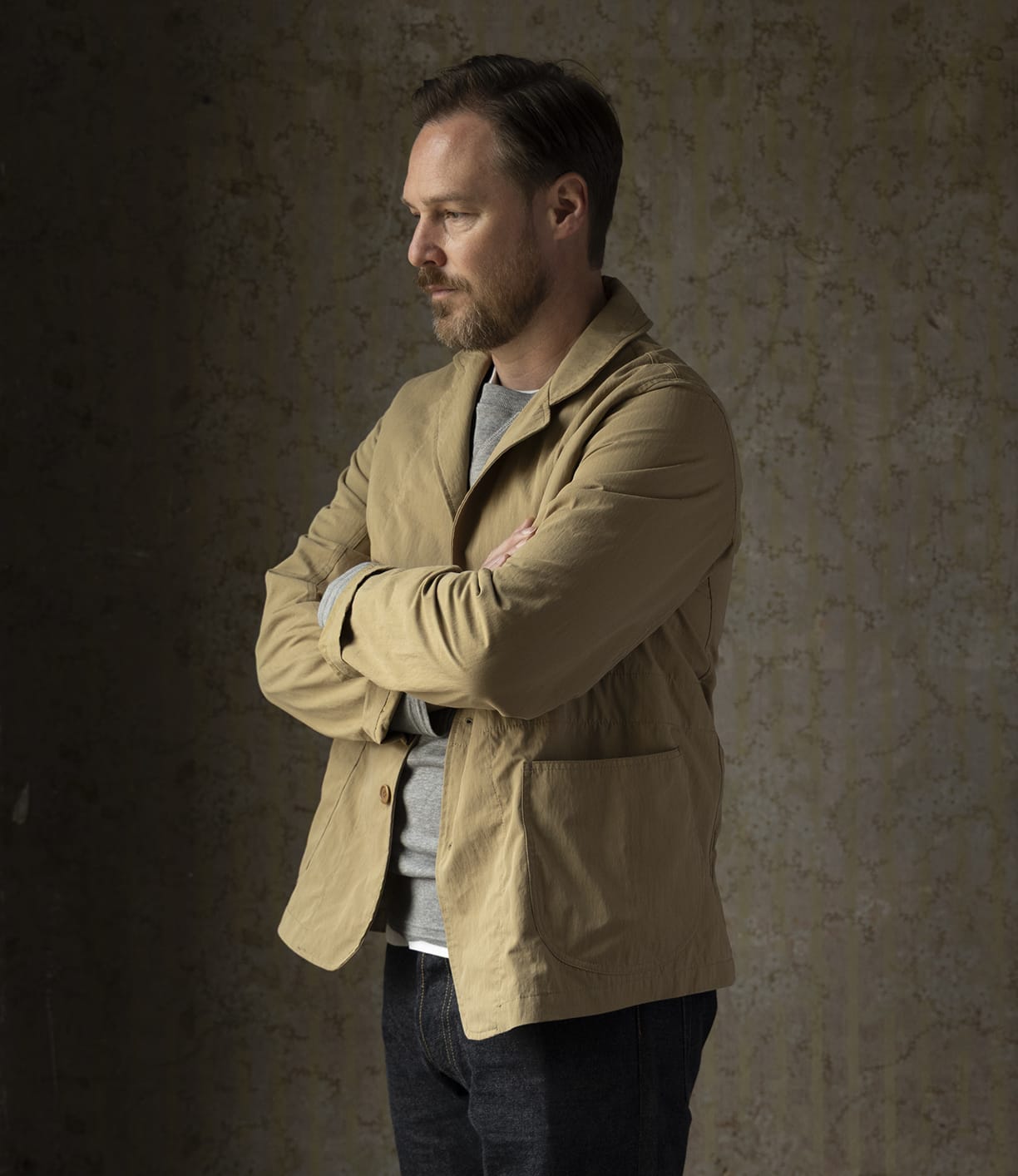
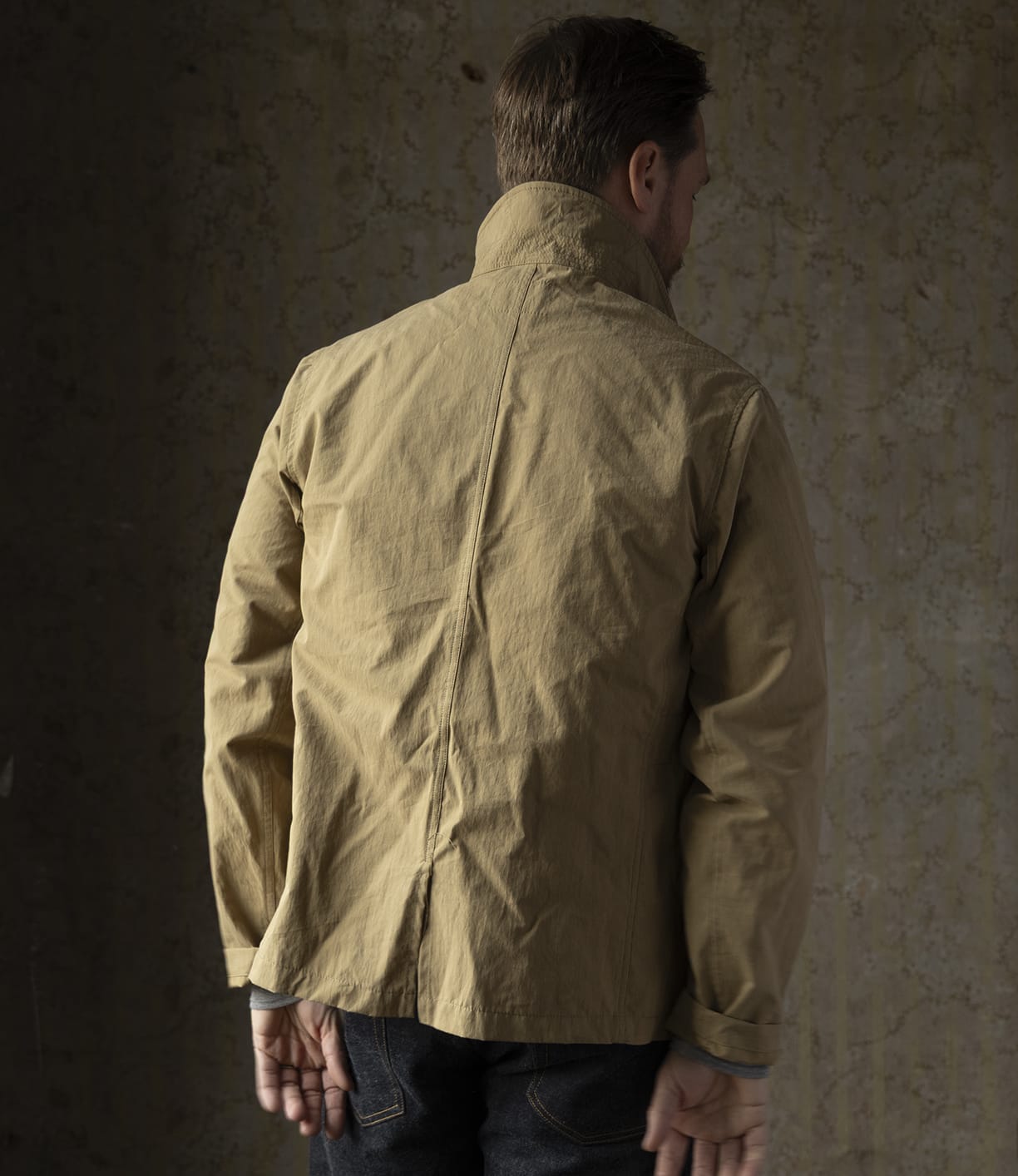
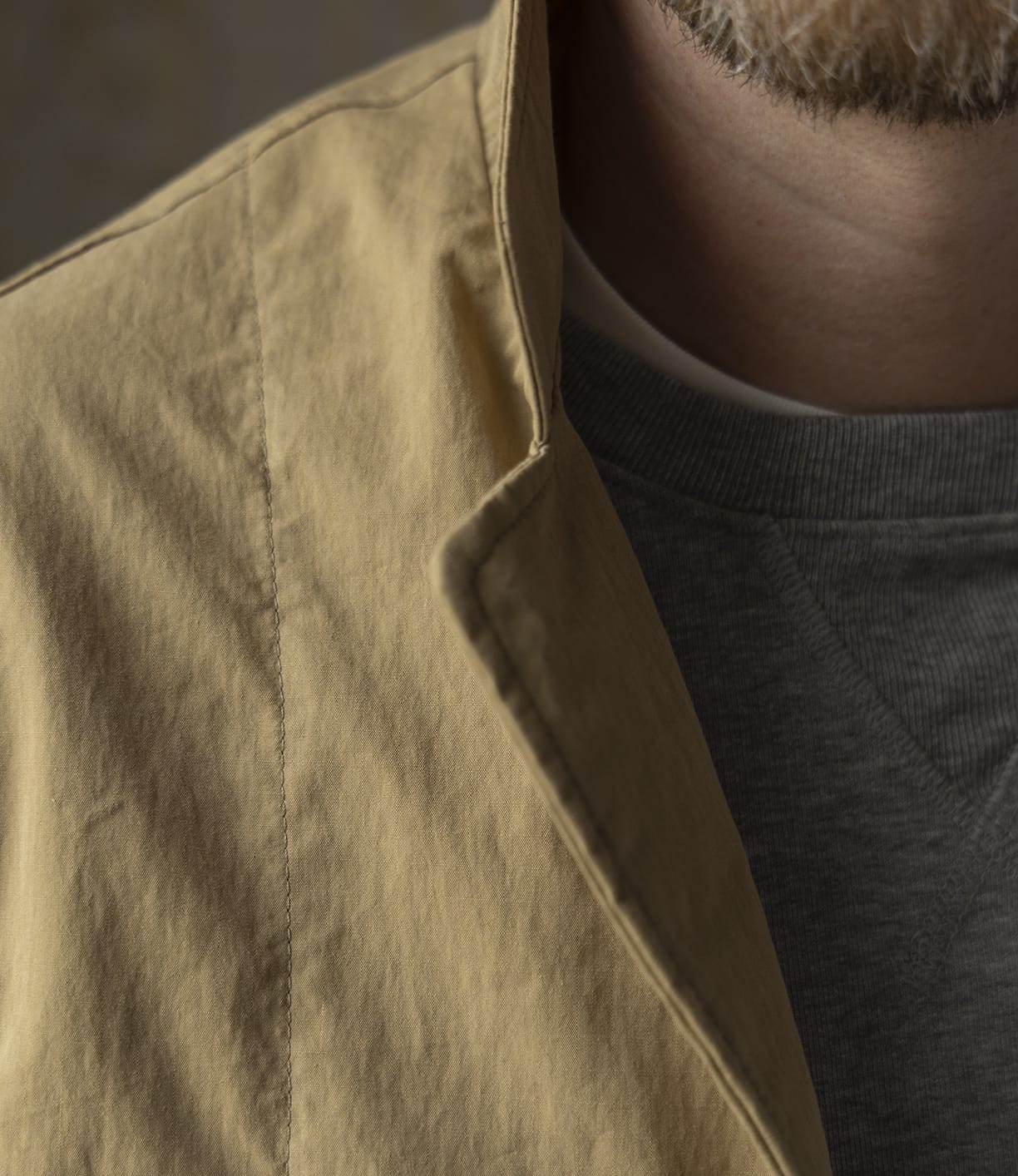
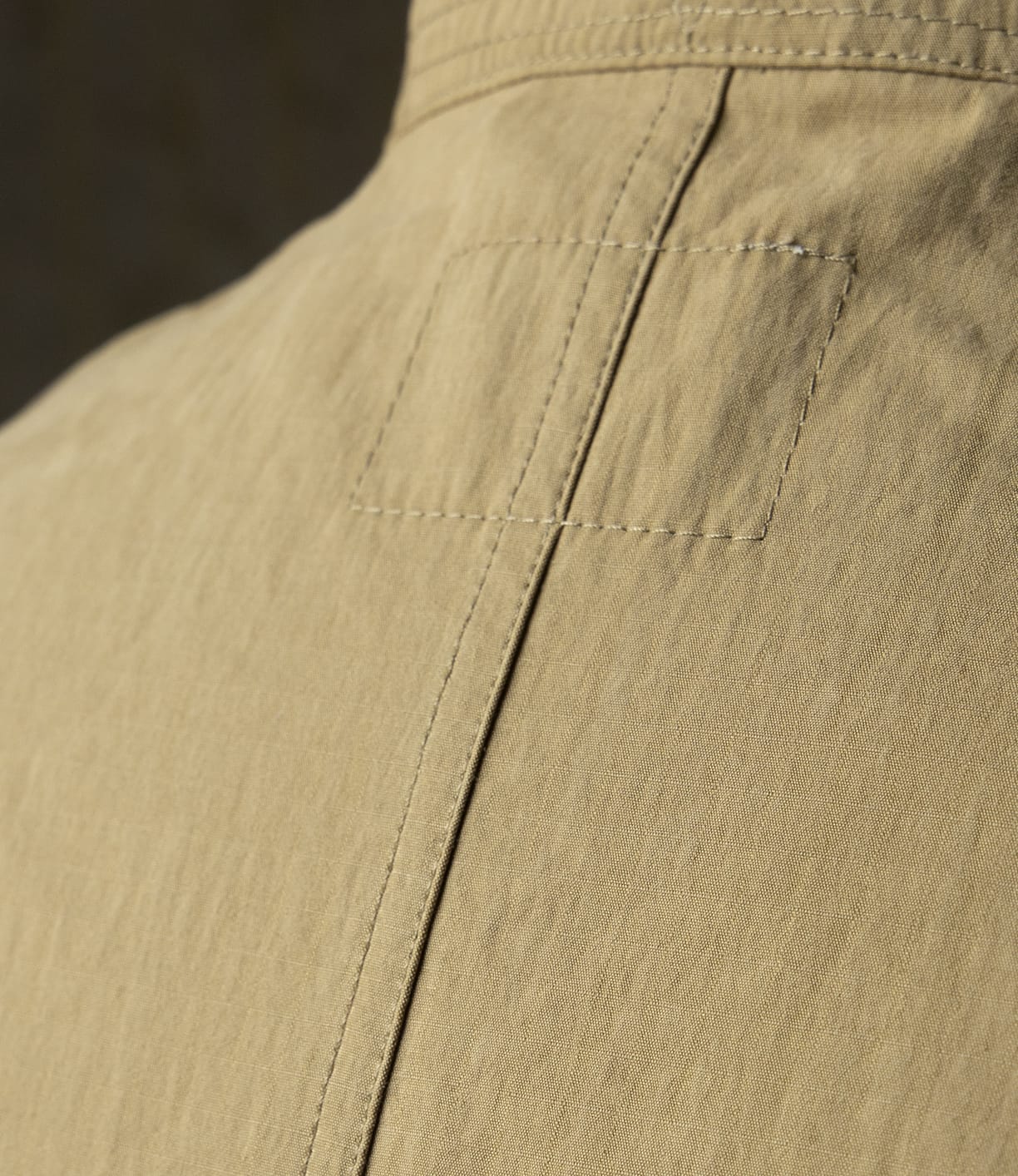
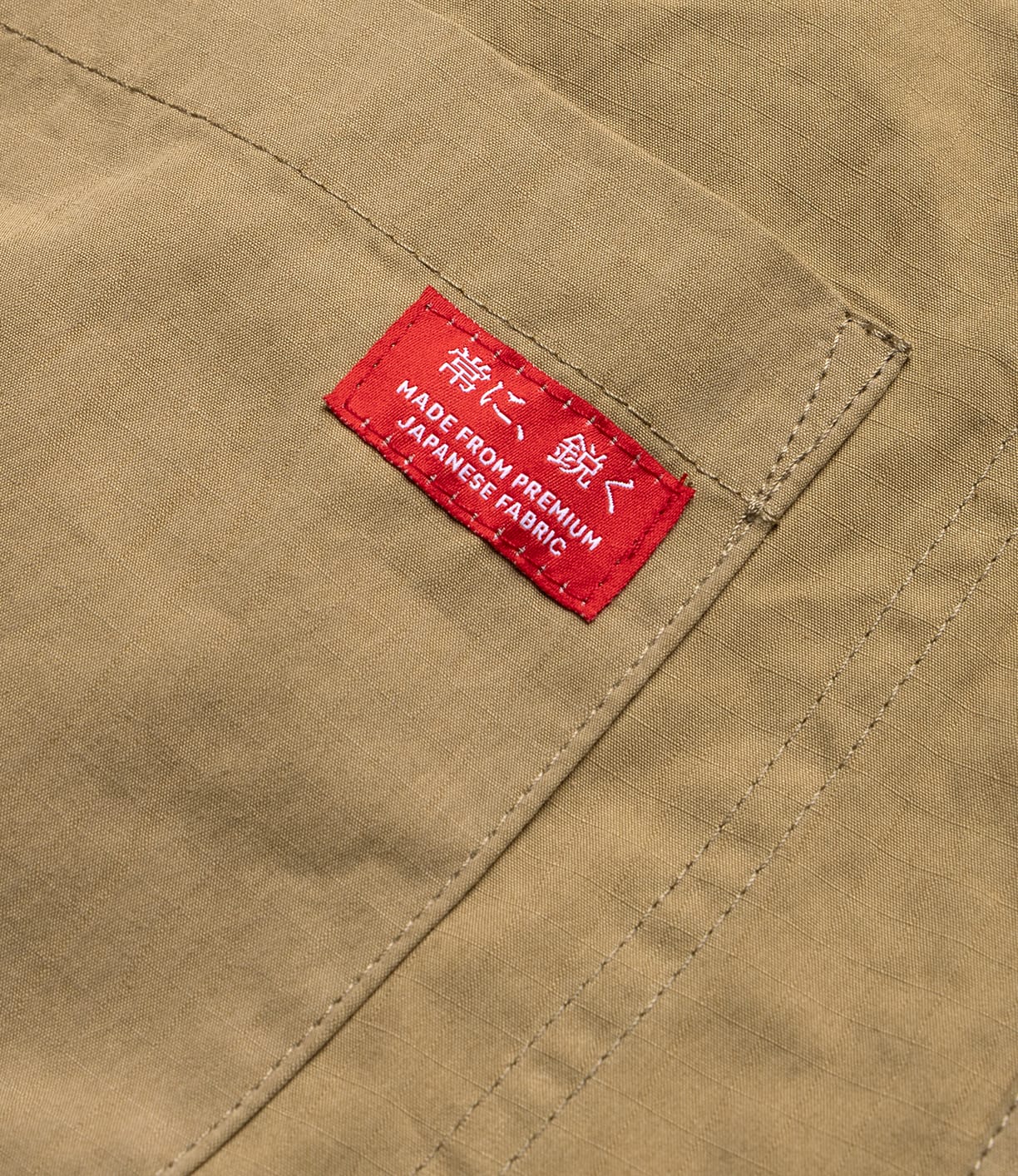
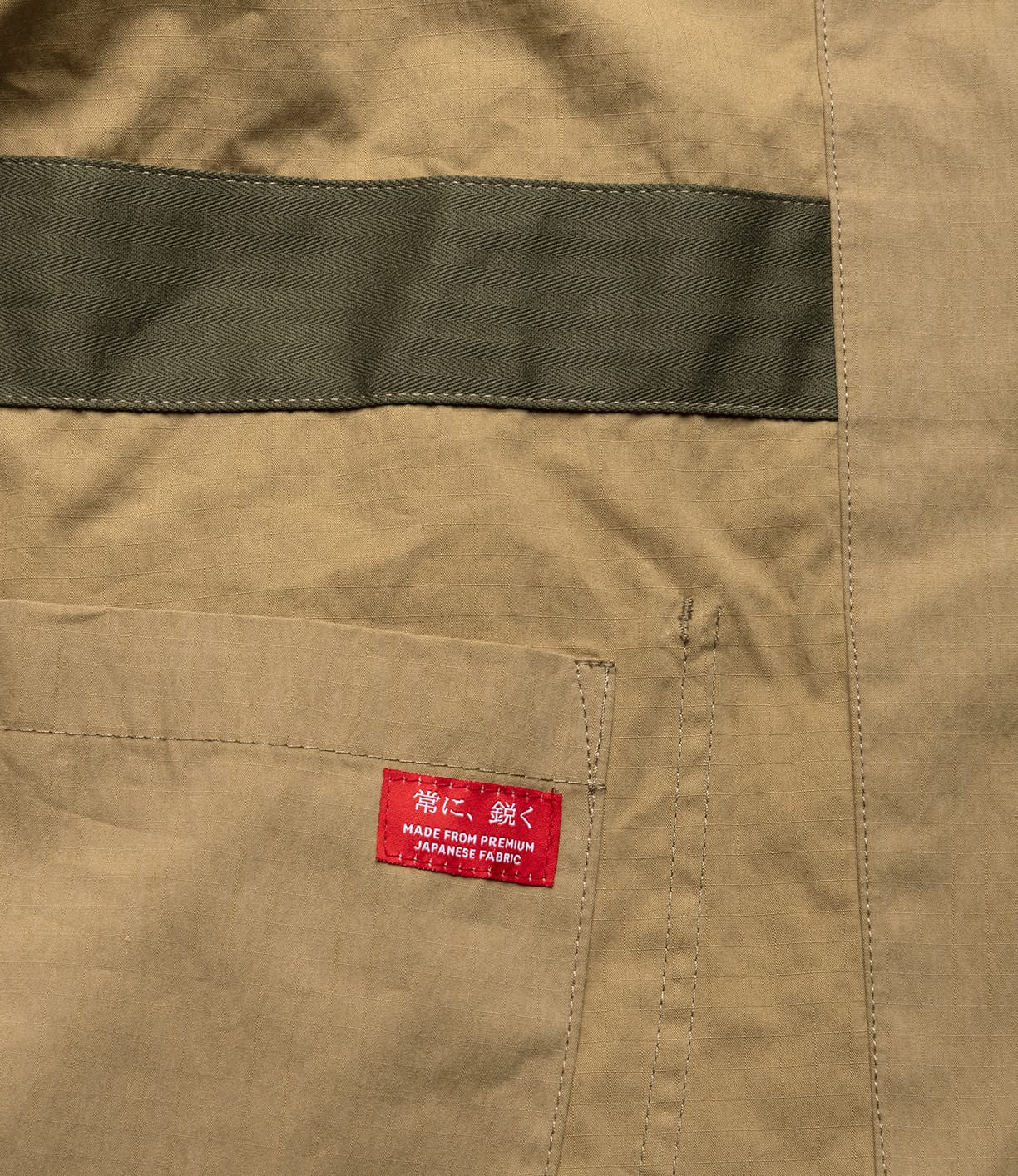
Product Details
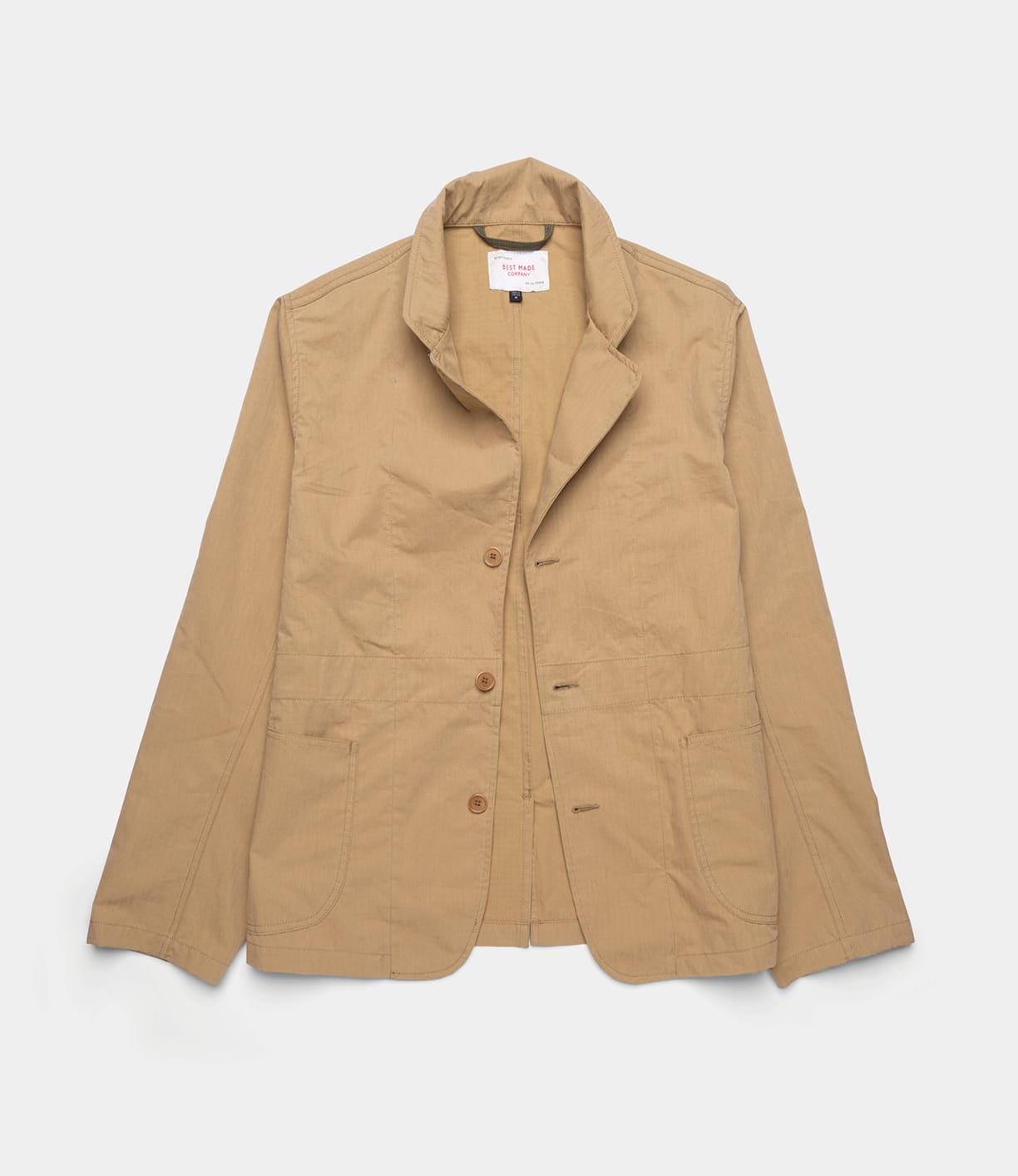
The name "Possibilities Jacket" is a nod to a frontier tradition. Mountain men and trappers of the 18th and 19th centuries carried what they called a "possibles bag" — a small pouch holding everything one might possibly need on the trail: flint and tobacco, jerky, tools, fire kit. Davy Crockett carried one. Lewis and Clark would have. The idea was practical and a little philosophical at once: that a person, properly equipped, could go anywhere. We've taken the same view of a jacket.
A note on ripstop: the fabric is woven in a ripstop construction — a crosshatch grid developed in the early 1940s, after the war cut off the silk supply Allied parachutes depended on. DuPont's newly invented nylon stepped in, but parachutes still tore on deployment, and a small rip could be fatal. The fix was a weave: thicker reinforcement yarns inserted at regular intervals, so a tear could start but couldn't propagate past the next thread. On most ripstop fabrics that grid is conspicuous, almost a design statement. On ours it's barely visible.
A note on ripstop: the fabric is woven in a ripstop construction — a crosshatch grid developed in the early 1940s, after the war cut off the silk supply Allied parachutes depended on. DuPont's newly invented nylon stepped in, but parachutes still tore on deployment, and a small rip could be fatal. The fix was a weave: thicker reinforcement yarns inserted at regular intervals, so a tear could start but couldn't propagate past the next thread. On most ripstop fabrics that grid is conspicuous, almost a design statement. On ours it's barely visible.

70% cotton
30% Cordura® nylon
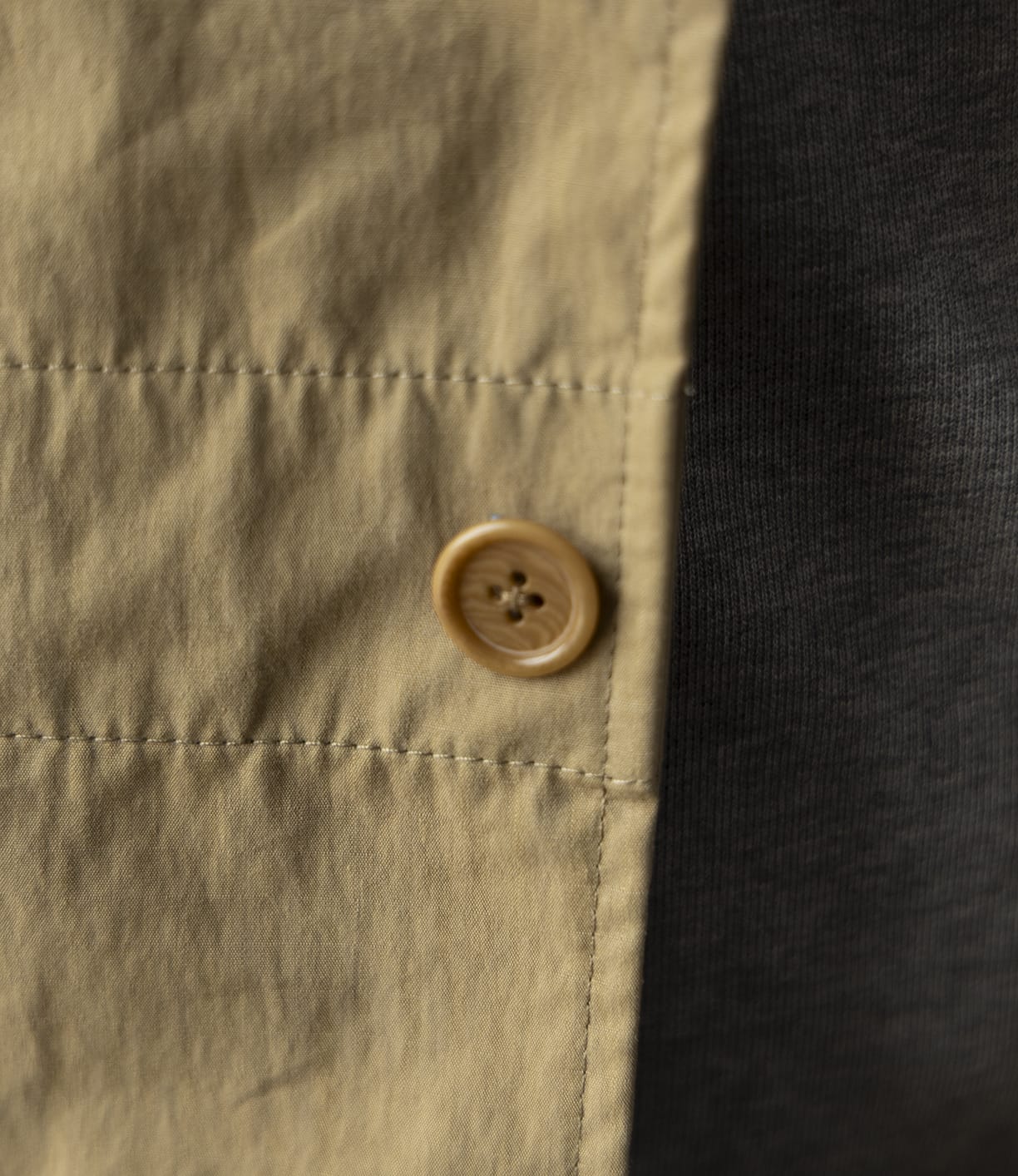
Corozo buttons
30% Cordura® nylon
Corozo buttons
Hand wash in cold water. Line dry or lay flat to dry.
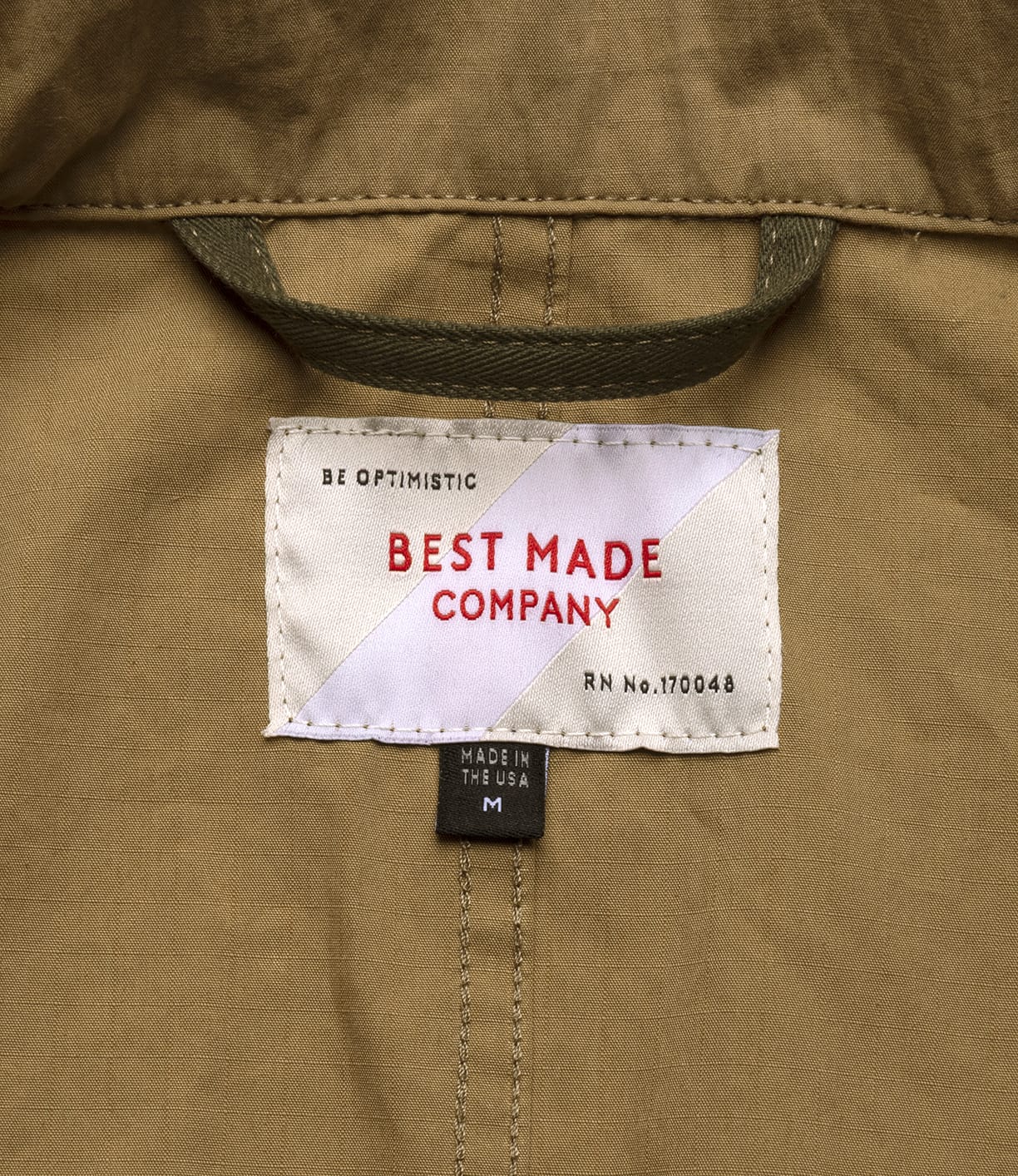
Made in the USA